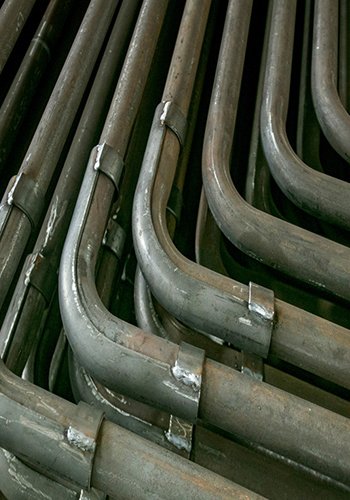
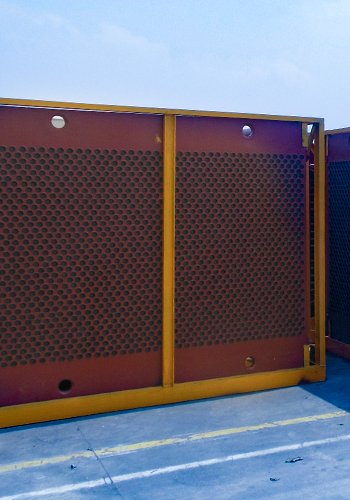
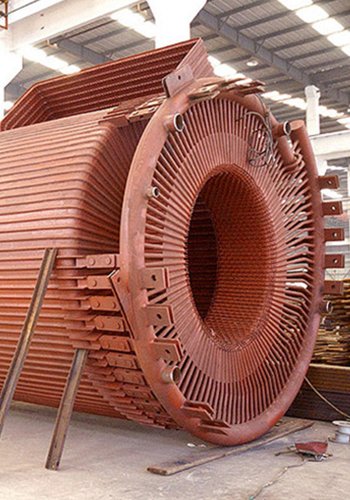
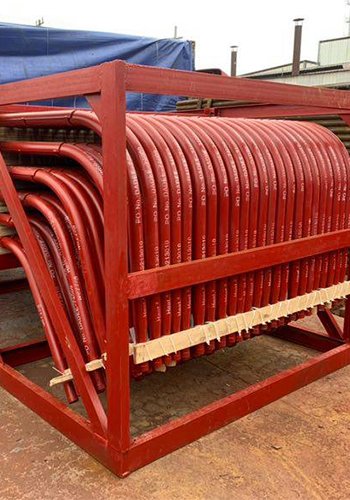
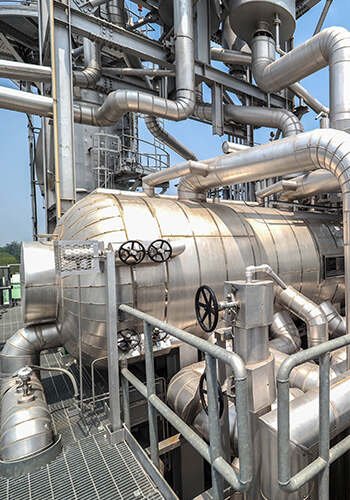
The steam drum is the core highpressure pressurebearing component of naturalcirculation and multipleforcedcirculation boilers. Located at the highest point of the boiler water circulation circuit, it connects the whole process of feedwater supply, vaporization and steam generation. It is widely applied in thermal power, chemical, heating and other industrial boilers, serving as critical equipment for safe and stable boiler operation.
I. Core Functions of Boiler Steam Drum
1.Forming the water circulation circuit Connected with economizer, downcomers, watercooled walls and superheaters, the steam drum forms a complete closed natural watercirculation system. Feed water enters the steam drum via the economizer, flows down through downcomers into watercooled walls, absorbs heat to generate steamwater mixture, and flows back to the steam drum for continuous circulation, laying the foundation for persistent steam production of the boiler.
2.Steamwater separation and steam purification Equipped with internal cyclone separators, corrugated plates and steam washing devices, the drum separates the returning steamwater mixture to produce dry saturated steam. It effectively removes salts and impurities from steam to prevent scaling, corrosion and blockage of superheaters and steam turbines, and ensures qualified steam quality.
3.Energy storage & buffering for parameter stabilization The steam drum stores a certain volume of boiler water and saturated steam, giving it heatstorage and massstorage capacity. It buffers fluctuations in unit load, thermal load and feedwater flow, stabilizes steam pressure, water level and temperature, avoids violent parameter oscillation and improves operational stability of the boiler.
4.Boiler water conditioning and heatingsurface protection As the core for boilerwater regulation, it neutralizes water impurities by indrum chemical dosing. Combined with continuous and periodic blowdown, salts and sludge in boiler water are discharged. Strict control over boilerwater indexes prevents scaling and corrosion of steam drum and watercooled walls, avoids tube rupture failures of heating surfaces and extends equipment service life.
5.Monitoring and protection for operational safety Fitted with measuring points for water level, pressure and temperature, as well as safety valves, high/low waterlevel protection and other devices, it monitors boiler operating conditions in real time. Safety valves release pressure under overpressure conditions; interlock protection triggers shutdown upon abnormal water level to eliminate safety hazards such as dry burning, fullwater condition and overpressure.
II. Practical Industrial Application
1.Thermal power generation boilers Steam drums are equipped for highpressure, superhighpressure and subcritical thermal power boilers. Highquality steam is generated through water circulation and steam purification, and drives steam turbines for power generation after superheating and reheating. Salt deposition and abrasion on turbine blades are avoided to guarantee longterm stable fullload operation of powergenerating units.
2.Industrial process and heating boilers Steam drums are commonly adopted for medium and lowpressure boilers in chemical, textile, pharmaceutical, papermaking and other industries. Relying on its loadbuffering capacity, it stably supplies constanttemperature & constantpressure process steam to satisfy requirements for production heating, drying, sterilization and so on. It adapts to continuousproduction working conditions and reduces equipment failure and maintenance costs.
3.Combined heat and power (CHP) units It adapts to frequent switchover between powergeneration load and heatsupply load. It flexibly balances steam supplydemand relationship, stabilizes parameters for heat supply and power generation, guarantees the quality of heating steam, and meets both industrial production and civil heating demands.
III. Key Operation Points
1.Waterlevel control: Maintain normal water level strictly. Excessively high water level causes steam carryover which damages equipment; excessively low water level leads to dryburning and tube rupture of watercooled walls. Dualcontrol of automatic regulation plus manual inspection shall be implemented.
2.Waterquality control: Test boiler water periodically. Cooperate with chemical dosing and blowdown operations to strictly control salt content, alkalinity and pH value so as to prevent scaling and corrosion.
3.Variableload operation: Raise or lower load smoothly; drastic adjustment is forbidden. Take advantage of steamdrum energy storage to buffer parameter fluctuations and protect pressurebearing components.
4.Periodic maintenance: Clean internal separation and washing devices during shutdown, inspect scaling and corrosion, calibrate safety valves and monitoring instruments to ensure sound equipment performance.
IV. Supplementary Notes
Steam drums are only applicable to naturalcirculation and multipleforcedcirculation boilers; oncethrough boilers have no steamdrum structure. Drumtype boilers feature good load adaptability, flexible waterquality adjustment and high fault tolerance during startup & shutdown. They are widely used in largeandmediumscale thermal power and continuous industrialproduction scenarios.